Jueteng
Delve into the socio-economic and cultural layers of jueteng, an unauthorized numbers game pervasive in the Philippines, exploring its implications across society, politics, and potential technological transformations.
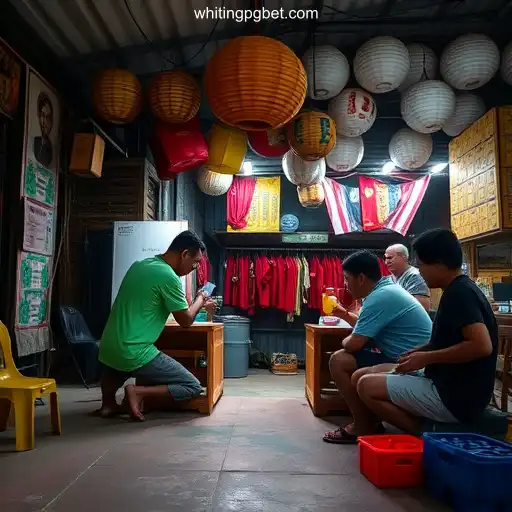
Understanding the Complex Web of Jueteng
Jueteng is a numbers game popular in the Philippines, often enmeshed in controversies due to its illegal status and alleged connections to local politics and organized crime. The game is a significant cultural and social phenomenon, influencing various facets of community life, economics, and governance in the country.
The Origin and Evolution of Jueteng
Jueteng traces its roots back to the Spanish colonial period, evolving over time to become a deeply ingrained aspect of Filipino culture. The game bears a resemblance to lottery and is characterized by its simplicity and accessibility. Traditionally, jueteng bettors select two numbers from 1 to 37 and wait for the winning numbers to be announced, offering gamblers a chance to win money quickly and easily.
The game is primarily played in the provinces and regions away from major metropolitan centers, where economic opportunities may be limited and entertainment options scarce. This situates jueteng not only as a form of gambling but also as a social activity that brings people together.
Jueteng and the Economy
Economically, jueteng presents a paradox. While it offers some financial gain to its participants and organizers, it diverts funds from the formal economy. The allure of a quick payout from a small stake encourages participation, with winnings sometimes used for daily expense and needs.
Yet, the authorities often argue that jueteng's economic impact is largely negative. It is postulated that its prevalence stifles the growth of legitimate businesses, siphons potential tax revenues, and contributes to the underground market. Despite its illegality, jueteng continues to sustain an informal economic system, feeding into a cycle that is hard to break.
Social Implications of Jueteng
Socially, jueteng acts as a mirror reflecting larger societal issues. In many communities, jueteng serves as a household pastime and a falsely perceived financial equalizer, prompting reflection on issues of poverty, inequality, and governance. Participation can be seen as both a protest against structural poverty and a resignation to it.
The game also serves as an informal safety net. For organizers and personnel involved, jueteng provides employment and a source of income, making it deeply rooted within local economies. Winning routes money into the hands of winners quickly, allowing them to address pressing financial issues, albeit temporarily.
Jueteng's Political Influence
Beyond economic and social domains, jueteng exerts considerable political power in the Philippines. It has historically been linked to corrupt political machinations and electoral fraud. Politicians may use the networks constructed by jueteng organizations to both bolster their campaigns and maintain power through patronage systems.
The connections to political figures create a powerful undercurrent supporting jueteng, maintaining its operations despite government crackdowns. In return, the game becomes a tool for politicians to exert control, leveraging the dependence of communities on jueteng-generated income.
Efforts to Combat Jueteng
The Philippine government has long attempted to curb jueteng through legislation and enforcement, although efforts are frequently stymied by the corruption and collusion that pervade its operation. There are laws in place that ban the operation of numbers games without official sanction, yet jueteng persists, often openly.
Various provinces have responded by attempting to replace jueteng with legalized alternatives. Such efforts aim to transition players over to games that generate public revenue. However, challenges persist in these attempts due to the ingrained nature of jueteng and the societal norms surrounding it.
Legal Alternatives and the Role of Technology
Faced with the irresistible lure of jueteng, some proponents suggest transforming this illegal game into a regulated enterprise. This notion faces mixed reactions, often provoking debate about cultural preservation versus socio-economic modernism.
Online gaming platforms, such as WhitingPG.Com - ☀️ Plataforma oficial de jogos - WhitingPG Login, provide modern alternatives to traditional numbers games. Through legalization and modernization, the negative impacts of jueteng might be mitigated, transitioning its popularity into channels that contribute to national development goals. Such platforms offer regulated environments while incorporating technology to attract a younger, tech-savvy crowd, potentially changing the gambling landscape in the Philippines.
Conclusion
Jueteng embodies a cultural dichotomy: an illegal endeavor playing a pivotal socio-economic role. Despite stringent government policies and opposition, it remains resilient, leaving complex challenges for reform and resolution. As discussions on regulation and alternatives continue, the future of jueteng rests on balancing cultural acceptance with lawful governance and economic progression.